Category: Blog

Your blog category

  • Driving Test Gov.uk Updates 2026

    Driving Test Gov.uk Updates 2026

    Changes to driving test booking rules in 2026

    The rules for booking and managing car driving tests have now changed.

    You can now only make 2 changes to your driving test appointment after you’ve booked it.

    Only learner drivers are allowed to book, change, swap or cancel their own driving test.

    You can only move your test to the 3 nearest driving test centres.
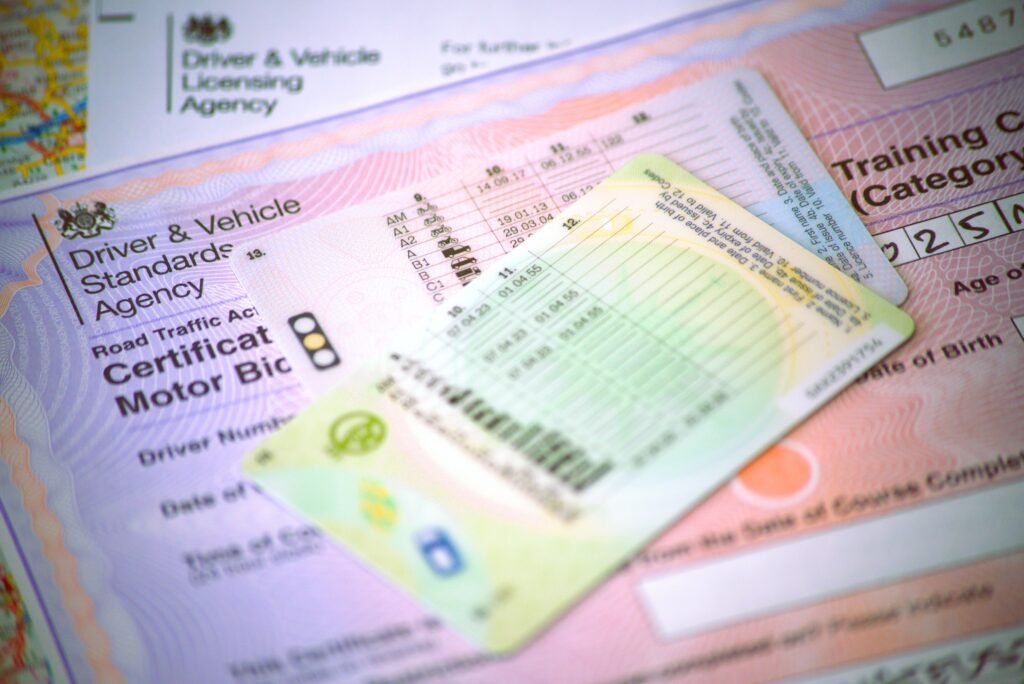
    Move your driving test if you’re not feeling ready

    You’re more likely to pass your driving test if you move it back so you have more time to:

    • brush up on your skills
    • take a few more mock tests
    • practise managing your nerves

    It’s free to change your appointment time, as long as you do it at least 10 full working days (Mondays to Saturdays) before your test.

    And by moving your test, you’ll free up an appointment for someone who is ready to pass.

  • Driving Skills To Pass The Test

    Are YOU Ready To Pass?

    Skills you need to pass your driving test

    Every driver starts here. These 4 skills form the foundation of safe driving – and understanding them properly makes everything else easier to learn.

    Basics

    • Legal responsibilities
      • your health, including any medical conditions you must declare;
      • use of drugs and alcohol;
      • use of mobile phones while driving;
      • your eyesight.
    • Safety checks
      • tyres;
      • lights;
      • oil, coolant, and screen wash levels;
      • brakes;
      • windscreen.
    • Cockpit checks
      • your seat position;
      • your mirrors;
      • your headrest;
      • your seatbelt
    • Security
      • lock your vehicle correctly;
      • use any immobiliser or alarm fitted to the car;
      • keep valuables out of sight;
      • park safely and securely.

    Control & positioning

    • Controls and instruments
      • use the foot controls;
      • operate the hand controls confidently;
      • read and understand the instrument panel, including warning lights;
      • adapt quickly when driving a different vehicle.
    • Moving away and stopping
      • use the mirror – signals – manoeuvre (MSM) and position – speed – look (PSL) routines consistently;
      • move away safely;
      • stop the car smoothly and always in full control;
      • carry out thorough all-round checks before moving off.
    • Safe positioning
      • drive in the correct position for the road and situation;
      • keep a safe distance from the vehicle in front;
      • use lanes correctly, including on multi-lane roads;
      • understand how your position affects other road users.

    Observation, signalling & planning

    • Mirrors – vision and use
      • use the mirror & signals in manoeuvres;
      • check mirrors at the right moments;
      • understand the interior mirror and the 2 exterior mirrors;
      • recognise blind spots;
      • interpret what you see in flat, concave and convex mirrors correctly.
    • Signals
      • know why signals matter;
      • be able to give signals clearly and at the right time;
      • recognise when a signal is not needed;
      • understand all the signals given by other road users;
      • respond correctly to signals from traffic controllers.
    • Anticipation and planning
      • use the MSM and PSL routines to respond to hazards in good time
      • identify hazards from early clues;
      • use scanning techniques to look well ahead;
      • recognise higher-risk times, places and weather conditions;
      • anticipate the actions of all the moving elements or traffic participants around you.
    • Use of speed
      • know the national speed limits;
      • adjust your speed for road, weather & traffic conditions;
      • choose an appropriate speed near pedestrians;
      • understand stopping distances.
    • Other traffic
      • handle meeting oncoming traffic safely all the time;
      • use passing places correctly on narrow roads;
      • cross the path of other traffic safely when turning right;
      • overtake legally and safely;
      • understand when to give way.
    • Fuel-efficient driving
      • understand how vehicle exhaust affects climate and health;
      • reduce fuel consumption by planning ahead;
      • always keep your car in good condition;
      • dispose of vehicle waste such as oil, batteries & tyres correctly;
      • be aware of cleaner vehicle technologies;
      • understand how features such as cruise control and adaptive cruise control works.

    And more other skills…

    Junctions, roundabouts & crossings


    Manoeuvres


    Road types


    Driving conditions


    Following routes


    You can read the full list of Skills that you need and much more information in the following link.

    Practising with family or friends

  • Take A Mock Test

    Take A Mock Test

    Why not try a mock test before you take the exam?

    Master test conditions, pinpoint areas for improvement, and walk into your driving test feeling completely confident with realistic mock exams.

    Why take a mock driving test?

    • Spot weak points: Identify exactly what needs practice.
    • Simulate test day: Get comfortable with official exam conditions.
    • Boost confidence: Walk into your real test feeling fully prepared.

    Learning with an instructor?

    Talk to them about setting up a mock test when the time is right. They might pair you with another instructor to help you adjust to having a stranger in the passenger seat.

    Not learning with an instructor?

    You can still book a mock test by contacting local instructors. DVSA research shows that over 50% of instructors provide mock tests for non-regular pupils. As trained road safety specialists, they’ll give you a clear, expert breakdown of your results.

    What a mock driving test should include?

    Make sure your mock test mirrors the real deal completely—that’s how you get maximum practice and value.

    Your mock tests should last about 35 minutes, and include:

    • checking your driving licence
    • checking your eyesight
    • ‘show me, tell me’ vehicle safety questions
    • general driving ability on rural roads, urban roads, dual carriageways, multi-lane roundabouts and one-way systems
    • reversing the car
    • independent driving for 20 minutes, either following directions from a sat nav or following traffic signs
    • an emergency stop
    • giving you the result and feedback.

    Driving test routes

    The Driver and Vehicle Standards Agency does not publish driving test routes.

    Your driving instructor will use routes they’ve designed that contain similar types of roads. You will not use an actual driving test route.